
Misdiagnoses can be frustrating at best and life-threatening at worst, but when are they considered malpractice? In many cases, it is possible to sue a doctor for malpractice after a misdiagnosis causes harm if it meets certain criteria.
To assess a specific case, it is vital to work with an experienced medical malpractice attorney in Macon, GA.
Patients wondering, “Can you sue a doctor for misdiagnosis?” should learn more about Georgia’s medical laws and what is considered malpractice.
What Is Considered a Misdiagnosis?
A misdiagnosis is a doctor’s failure to accurately diagnose a medical condition, which causes inadequate or delayed treatment. Misdiagnosis can involve incorrect diagnoses or simply failure to provide a prognosis at all. Many conditions can be misdiagnosed, including those that may be fatal if left untreated for extended periods.
For instance, failure to diagnose cancer in the early stages can allow for disease progression and worse outcomes due to limited treatment options. Patients diagnosed in early stages often have a better chance of survival and can access first-line defense treatments that may be less invasive than later methods.
Heart attacks and strokes can also be misdiagnosed and written off as anxiety symptoms or migraines, leading to severe health consequences and sometimes death. Infections caused by bacteria are sometimes diagnosed as viral illnesses, and the necessary treatment is delayed, causing complications that worsen the illness and make recovery more difficult. Co-occurring infections are common when doctors do not appropriately treat the initial infection.
One of the most common areas of misdiagnosis is autoimmune disorders, which can be complicated to definitively test for. Patients may face delayed care when struggling with the symptoms of lupus or multiple sclerosis.
The risks of misdiagnosis include:
- Improper or unnecessary treatments that may cause further complications
- Worsening symptoms due to inadequate or delayed treatment
- Death in severe cases
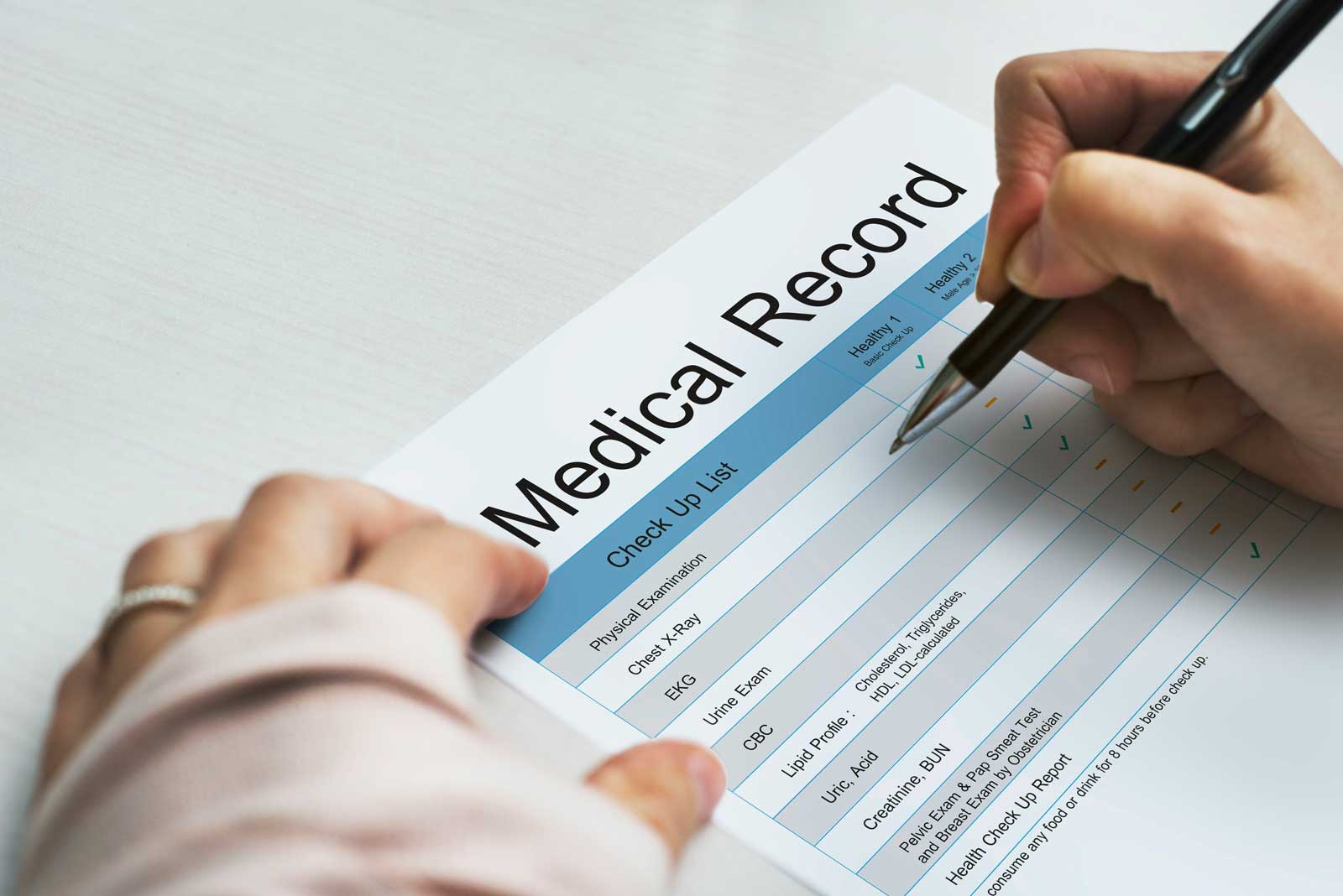
If a patient suspects misdiagnosis, pursuing second opinions and specialist examinations is essential whenever financially and practically feasible. All information attained during the initial and subsequent medical exams should be carefully recorded, as this evidence will form the basis of any potential lawsuit.

What To Do Following a Suspected Misdiagnosis
After receiving a suspected misdiagnosis, patients can dispute the diagnosis and request further testing. However, if a general practitioner provides the diagnosis, visiting a specialist for a second opinion may be better. Doctors are human and can make mistakes, so seeking additional advice on serious symptoms and diagnoses is always best.
Upon receiving an accurate diagnosis, patients should take charge of their health and begin the appropriate treatment immediately, even if they intend to file a malpractice suit. Receiving treatment in line with a second diagnosis will not interfere with the validity of the lawsuit.
How Do You Prove Medical Malpractice?
Can you sue a doctor for misdiagnosis? If certain criteria are met, misdiagnosis can be cause for a lawsuit. Documentation is essential in proving that a misdiagnosis occurred and caused direct harm to a patient.
To prove that a misdiagnosis was due to medical malpractice or negligence, patients should work with an attorney to gather evidence of the following:
Duty of Care
Patients and their lawyers must prove a doctor-patient relationship through medical records or other evidence where the treating physician owed the patient a duty of care. In these relationships, the physician is legally required to provide thorough and adequate care. A misdiagnosis, or a failure to provide any prognosis, violates the requirements for this duty of care.
Failure To Meet Standard of Care
The backbone of a malpractice lawsuit is demonstrating failure to follow through with care as a competent physician should have. This often takes the form of negligence claims, where a doctor is accused of dismissing or failing to identify patient concerns, such as failing to order additional tests to rule out all reasonably feasible diagnoses given a set of symptoms.
Any evidence from the initial visit is helpful here, including medical records and chart notes that indicate a patient’s concerns or noticeable symptoms and how they were addressed. Follow-up appointments and second opinions also constitute valuable evidence of additional time and cost incurred in seeking the correct diagnosis.
Cause of Harm and Damages
For a misdiagnosis lawsuit to take effect, the patient’s legal team must prove that the malpractice directly caused harm. For instance, a delayed cancer diagnosis may result in the patient’s condition worsening, their treatment options becoming limited, or their chance of death increasing.
Alongside causation, a patient’s attorney must cite specific damages. These can include pain and suffering, reduced quality of life, increased medical bills, or lost wages.
In addition to evidence supplied by the patient, misdiagnosis cases usually require support from other medical professionals willing to testify about the accepted standard of care for a given condition. Working with an experienced legal professional to accumulate evidence and find appropriate support from within the medical system is vital.
Can Patients Sue the Hospital or Entire Practice?
Beyond wondering, “Can you sue a doctor for misdiagnosis?” patients often want to know whether suits can apply to the hospital as a whole.
In certain cases, patients can sue the hospital where they were misdiagnosed. This is rare but occurs when failures in the hospital’s systems or across multiple levels of staff members lead to patient harm (for instance, if an issue with record keeping or nursing routines contributes to a misdiagnosis).
Malpractice lawsuits are more often aimed at individual doctors, who are typically contractors rather than hospital employees.
Find Professional Legal Support for Your Misdiagnosis Lawsuit
Patients should now understand the answer to the question, “Can you sue a doctor for misdiagnosis?” and feel prepared to take action.
Dellacona Law Firm provides legal counsel for those facing the consequences of a misdiagnosis. Our experienced attorneys can assist with everything from proving medical malpractice to examining settlement offers and assessing fairness. It is essential to seek legal representation, as medical malpractice suits can be complex, and a professional attorney is best suited to navigate the process.
Patients or their loved ones experiencing malpractice in Macon, GA, should call 478-389-0787 to schedule a consultation today.
Are You Ready to Work with Dellacona Law?
Client Testimonial
We feel she made our future brighter despite what had happened. We cannot thank Tracey enough for representing us during this life changing ordeal. WE would highly recommend her to anyone. She and her staff are not just our lawyers, but they are our friends.
– Janice C.

Related Articles




Are you ready to work with Dellacona Law?
