
Anesthesia is one of the riskiest aspects of modern surgery. When you’re put to sleep, you want to trust that the anesthesiologist will perform their job correctly, so you can wake up from the procedure and begin healing. Unfortunately, even trained and experienced medical professionals can make severe negligent errors.
Anesthesia malpractice occurs when the provider does not meet the established standard of care, placing the patient at risk of injury or trauma. Below, our team from Dellacona Law Firm discusses common examples of this occurring to build anesthesia awareness. If you think you’re a victim of medical negligence, schedule a consultation with a medical malpractice lawyer in Macon, GA, today by calling our team at (478) 389-0548.

The Main Types of Anesthesia Errors To Be Aware Of
Medical malpractice occurs when a healthcare professional acts negligently or fails to meet the required standard of care, ultimately harming the patient. This may occur by accident, lack of judgment, or failure to follow proper procedures.
In the high-risk anesthesiology field, medical errors immediately place you in danger of severe injury or death. Here are common examples of negligence:
Incorrect Dosing
Dosage errors occur when the anesthesiologist gives you the incorrect amount of the medication(s), causing traumatizing, life-threatening reactions. An overdose can lead to system toxicity, causing increased blood pressure, heart rate, and breathing, which may complicate the surgery, especially when bleeding is involved.
Low doses can lead to anesthesia awareness, where the individual wakes up mid-surgery, causing a severe trauma reaction. Even if the patient doesn’t wake up, under-dosed sedatives reduce numbing, which can cause great pain after surgery.
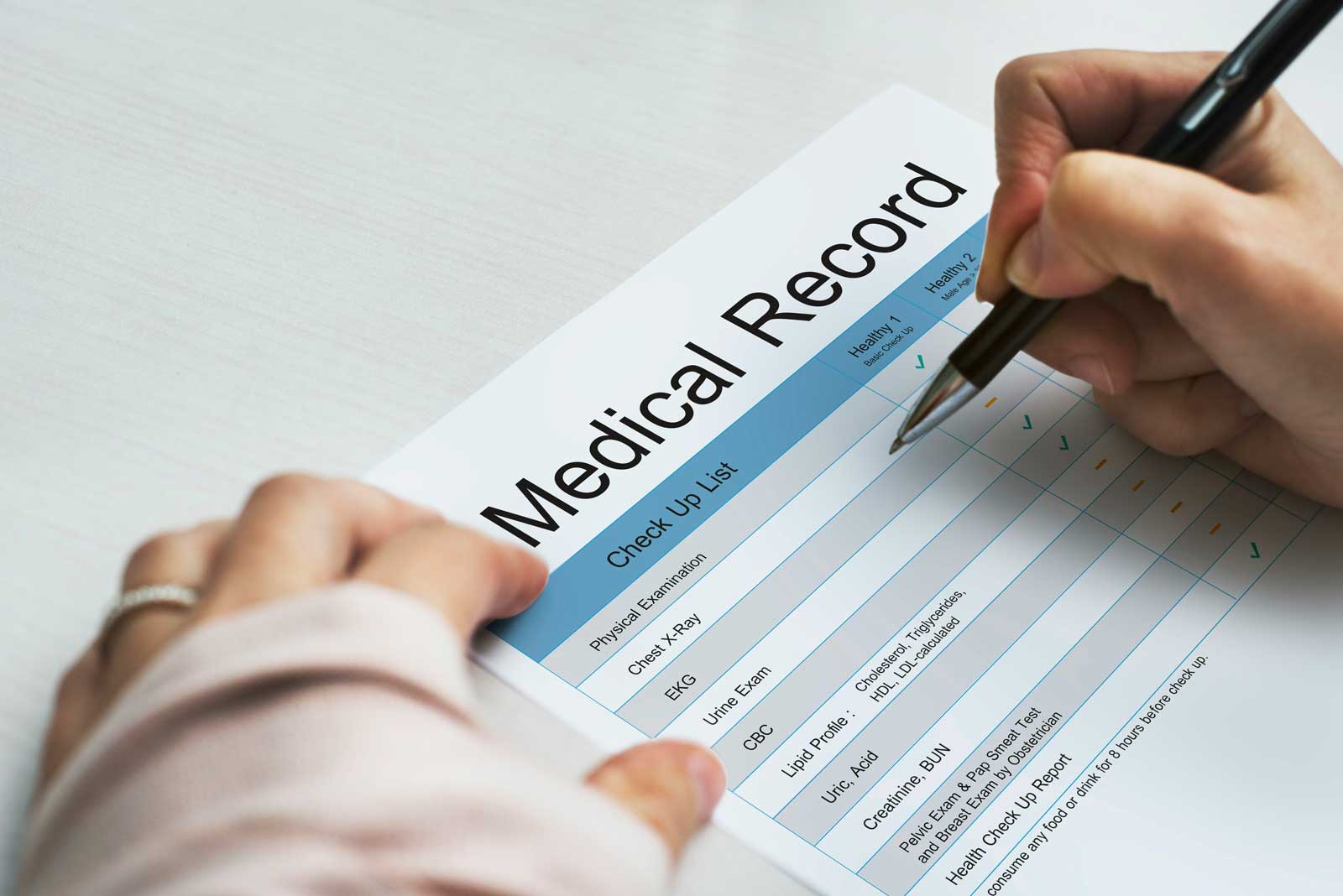
Dosage mistakes often arise from improper due diligence prior to the operation. Anesthesiologists should check the patient’s medical record to evaluate their body weight, age, current medications, and other factors to calculate precise dosing requirements. A lack of care during these steps leads to inadequate dosing before surgery.
Pre-Operative Errors
To protect you, all healthcare staff must take numerous precautions before the procedure. A simple mistake, like incorrect weight charting in the patient’s file, could lead to dosing errors later on in the process. Doctors and nursing teams must conduct precise charting to take note of the patient’s history, current health status, pre-existing conditions, and medication allergies to prevent complications.
For example, people with heart conditions may require smaller doses to prevent potentially high-risk reactions. In this example, the anesthesiologist would likely tell the individual in advance that they could wake up during the procedure because of the light dose. If they do, they would not be eligible for an anesthesia malpractice claim as they were warned ahead of time.
Patients should also be given clear instructions on what to eat or drink before the procedure to prevent complications. If they aren’t informed on these instructions and aspirate during the procedure, their medical staff may be responsible for negligent pre-operative care.
Negligent Patient Monitoring
Anesthesiologists must monitor the patient’s vital signs throughout the procedure, including their body temperature, blood pressure, heart rate, breathing, and consciousness. Inadequate patient monitoring can lead them to miss key alerts, placing the patient’s life in danger.
For example, the provider should watch out for issues like aspiration, which occurs when the individual vomits up food or liquids into their lungs while unconscious. If this occurs, the team must respond promptly to prevent long-term injuries.
If the patient’s heart rate drops too low or their breathing increases, the provider must be alert and prepared to respond adequately with their medication dose to prevent further complications.
Intubation Mistakes
When you go under for surgery, you typically cannot breathe on your own. Because of this, the surgeon or anesthesiologist must intubate you to ensure oxygen flow to your airways.
When inserting the tube, the provider needs to exercise extreme caution to prevent damage to your trachea. Intubation and extubation errors can cause severe injuries
Medication or Product Defects
Sometimes, adverse reactions to anesthesia may be due to manufacturing errors. Issues like device defects or improper medication labeling can place you at risk of incorrect dosing or injury during the procedure. When this occurs, various manufacturers or hospital supervisors may be held liable for the anesthesia malpractice accident.
Improper Follow-Up Care
After your surgery, your doctor should give you specific care instructions regarding medications to take, activities you can and cannot do, wound-care details, and symptoms to watch out for. You should understand what reactions are normal during the hours and days after surgery and what warrants concern. If they fail to give follow-up care details, you may suffer unnecessary pain or your wound may become unknowingly infected.
How These Mistakes Affect Patients
Sedative errors can cause life-altering effects for victims. You may suffer immediate or long-term injuries that affect your ability to work, take care of your family, and enjoy your full quality of life. Some people experience severe trauma from the accident and develop life-long disabilities due to complications created during surgery.
How Should Victims Respond?
If you or a loved one experienced negligence, you have the right to seek legal action. We recommend consulting a healthcare professional as soon as possible for any pressing injuries as their opinion will aid in your future claim.
Filing a medical malpractice lawsuit allows you to seek compensation for your damages, including economic losses relating to necessary treatments, pain and suffering, time off work, and more. To build your claim, you must work with an experienced attorney who can help you gather evidence from professional witnesses.
Take Legal Action Today With Dellacona Law Firm
Now that you understand how these accidents can occur, keep learning by reading about the role of medical records in malpractice claims.
If you’re a victim of anesthesia malpractice, our experienced team at Dellacona Law Firm wants to help. Our malpractice lawyers know how to fight for your rights so you can seek compensation for your losses.
Call Dellacona Law Firm today at (478) 389-0548 to discuss your case.
Are You Ready to Work with Dellacona Law?
Client Testimonial
We feel she made our future brighter despite what had happened. We cannot thank Tracey enough for representing us during this life changing ordeal. WE would highly recommend her to anyone. She and her staff are not just our lawyers, but they are our friends.
– Janice C.

Related Articles




Are you ready to work with Dellacona Law?
